


Why India's Protectionist Policies May Backfire in Global Trade
Key Takeaways
- India hosts a large Chinese delegation to discuss trade relations.
- Protectionism may limit India's global economic prospects.
- China's influence in Southeast Asia continues to grow.
- Trade balance shifts could affect Indian markets.
- Understanding policy implications is crucial for investors.
Introduction
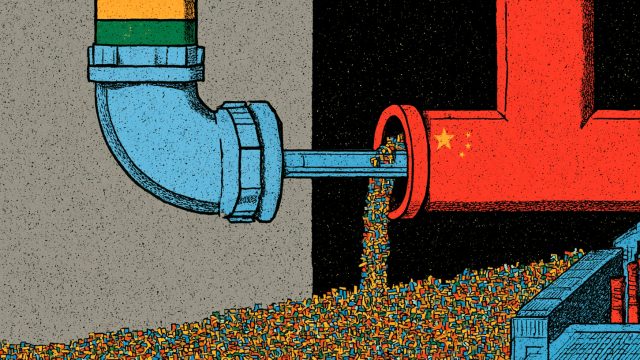
As the global economy adapts to shifting power dynamics, India has taken a notable stance on protectionism. This month, over 400 Chinese officials arrived in New Delhi, signaling a significant diplomatic push to enhance Sino-Indian relations. This delegation is more than double the size of the previous one in 2019, illustrating the growing importance of dialogue between these two powerful nations. However, the implications of India's protectionist policies raise questions about their sustainability and effectiveness in the current economic climate.
The Current Landscape of Sino-Indian Relations
In recent years, India's standing on the world stage has faced challenges, not necessarily driven by Chinese actions. Instead, factors such as internal economic reforms, regional conflicts, and policy decisions have contributed to a complex backdrop for trade discussions. The 2023 economic forecast indicates a potential slowdown in growth for India, making it imperative for the nation to reassess its approach to foreign trade, especially in light of the looming Chinese delegation.
China's Strategic Interests in Southeast Asia
China's expanding economic influence in Southeast Asia poses a challenge for India. With initiatives like the Belt and Road Initiative (BRI), China has solidified its relationships in the region, including key markets in Indonesia, Jakarta, Surabaya, and Bali. As these economies integrate more closely with China, India's protective measures may alienate it from potential trading partners, raising concerns about future growth.
The Risks of Protectionism
Protectionism often emerges as a response to perceived economic threats, but its long-term effects can be detrimental. India’s tariff increases on Chinese goods and restrictions on foreign investment could create short-term gains for local industries. However, the broader economic implications can lead to increased prices for consumers, reduced competition, and potential retaliation from trading partners. Recent statistics indicate that India's trade with China, valued at around $77 billion in 2022, has been crucial for various sectors, including technology and pharmaceuticals. Disrupting this trade could have ripple effects across the Indian economy.
The Economic Backlash
As India continues to adopt protectionist measures, experts warn of possible economic backlash. A recent report from the International Monetary Fund (IMF) highlights that protectionist policies might lead to a decrease in foreign direct investment by up to 25% in emerging markets, including India. Such a decline would hinder India's ability to attract capital necessary for infrastructure development and innovation, particularly in high-growth sectors.
Conclusion
India's current approach to trade and protectionism presents a double-edged sword. While the desire to protect local industries is understandable, the potential long-term implications for economic growth could outweigh short-term benefits. As the world evolves into a more interconnected marketplace, India must balance its protective measures with the necessity of engaging in open trade. The upcoming discussions with China represent a crucial opportunity for India to redefine its trade policies and potentially recalibrate its position on the global stage. The future hinges on how effectively India can navigate these complex relations while fostering a competitive and sustainable economy.







