Youth Catholics as Beacons of Hope Amidst Global Conflict
Key Takeaways
- Youth Catholics are increasingly advocating for peace and dialogue in global conflicts.
- Engagement in community initiatives marks their response to social issues.
- International events highlight the need for conversation over confrontation.
- These young leaders symbolize hope for future generations.
- Empowering youth is crucial for long-term conflict resolution.
The Role of Young Catholics in Promoting Peace
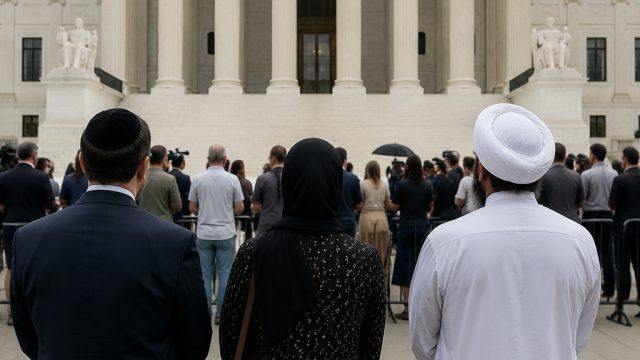
In a world often marred by discord, the message from young Catholics is clear: dialogue over conflict is essential. With rising tensions and political unrest affecting regions from Europe to the Middle East, these youths are stepping up as advocates for peace. Their commitment to fostering understanding across cultural and religious lines is vital, especially in diverse regions such as Southeast Asia and Indonesia, where communal harmony is paramount.
Faith in Action
Young Catholics are not just passive observers; they are actively involved in community initiatives that address local issues. For instance, in Jakarta and Surabaya, youth groups are organizing interfaith dialogues and social outreach programs. These efforts reflect a growing trend among the younger generation to engage in meaningful discourse rather than succumb to divisive narratives.
Global Conflict and the Need for Dialogue
The call for dialogue comes at a time when the world is witnessing an alarming increase in conflicts. Recent statistics show that global unrest has surged by 30% over the past five years. This statistic highlights the urgency for proactive measures to mitigate violence. Young Catholics recognize that their role is pivotal in promoting peace and understanding, particularly in volatile regions where conflict can escalate rapidly.
Learning from History
History teaches us that dialogue can pave the way for resolution. The young generation draws inspiration from previous peace-building efforts that utilized conversation as a tool for change. They are equipped with innovative ideas and a strong desire to effect positive change, making them a crucial part of the solution.
The Future of Peace Initiatives
As these young advocates continue to spread their message, the future appears hopeful. Their efforts have shown that youth can drive significant change. Whether through social media campaigns or local community events, young Catholics are harnessing their energy and creativity to build bridges where walls once stood.
A Call to Action
The involvement of young Catholics poses an important question: how can communities further support these initiatives? By providing resources and platforms for dialogue, communities can empower youth to lead discussions that foster understanding and cooperation. This support is crucial in areas like Bali, where diverse religious backgrounds coexist, and constructive dialogue is essential for maintaining peace.
Conclusion
The emergence of young Catholics as leaders in the fight for peace and dialogue underscores a necessary shift in our approach to conflict resolution. Their creativity, resilience, and commitment to dialogue make them the beacons of hope we need in today's tumultuous world. As they continue to advocate for understanding and collaboration, we must recognize their potential and support their efforts for a brighter, more peaceful future.