Iran's Alleged Attack on U.S. Ship Escalates Tensions in the Gulf
Understanding the Current Situation
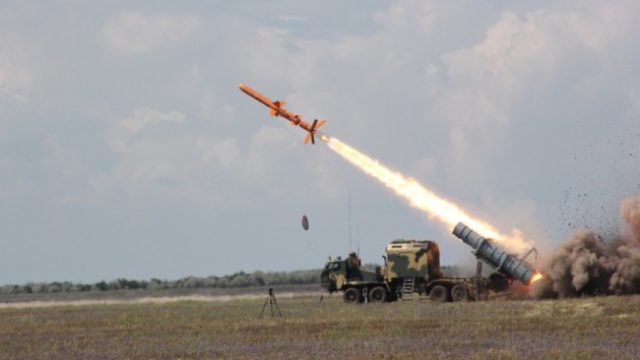
The Strait of Hormuz, a critical waterway for global oil transport, has become a focal point of military and diplomatic tensions between Iran and the United States. In a recent development, Iranian officials asserted that they had struck a U.S. ship navigating through these contested waters. However, the U.S. military has categorically denied these claims, stating that no such incident occurred.
Key Takeaways
- Iran claims it attacked a U.S. ship in the Strait of Hormuz.
- The U.S. military denies any knowledge of such an attack.
- This incident heightens existing tensions in the Gulf region.
- Strait of Hormuz is crucial for global oil shipping.
- Geopolitical implications may affect international oil prices.
The Historical Context
The Strait of Hormuz is a narrow passage that connects the Persian Gulf with the Gulf of Oman and the Arabian Sea, crucial for the flow of oil and gas from the Middle East to global markets. Approximately 20% of the world's oil passes through this vital route. Tensions have historically simmered in this region due to Iran's strategic position and its hostile relationship with the U.S. and its allies.
In recent years, incidents have escalated, including attacks on tankers and military vessels, raising concerns about security and stability in the region. Iran's claim may be seen as a strategic move to assert its influence and deter U.S. military presence in the area.
Repercussions on Global Oil Markets
The implications of such clashes are profound, especially for oil prices. Analysts fear that increased military activity in the Gulf could lead to disruptions in oil supply, potentially driving prices up significantly. Following the allegations, crude oil futures experienced a spike, reflecting market anxiety.
Potential Responses from the U.S. and Allies
The U.S. has maintained a strong military presence in the Gulf, signaling its readiness to respond to any threats against its vessels. This incident could prompt a reassessment of U.S. strategy in the region, especially in light of ongoing tensions related to nuclear negotiations with Iran.
Allied nations, particularly those in Europe and Asia, are observing the situation closely, as shifts in U.S. policy could have broader implications for international relations and energy security.
Impact on Regional Relations
The assertion of an attack raises questions about regional alliances. Countries like Saudi Arabia and the UAE, which see Iran as a primary threat, may feel compelled to enhance their military capabilities or seek stronger ties with the U.S. Additionally, this could prompt Iran to solidify its partnerships with non-Western allies, including Russia and China.
Future Implications
The situation remains fluid, with potential for further escalation. As both Iran and the U.S. navigate their complex relationship, any miscalculation could have dire consequences not only for the nations involved but for global stability. Analysts will be closely watching for any moves that indicate a shift in military posture or rhetoric.
Understanding these dynamics is crucial, not just for policymakers but for anyone invested in the stability of energy markets and geopolitical relations. The unfolding events in the Strait of Hormuz could be a pivotal moment in shaping the international order in the years to come.
Conclusion
The allegations surrounding the U.S. ship incident in the Strait of Hormuz are emblematic of the broader tensions that exist between the U.S. and Iran. As both sides navigate their next steps, the global community must remain vigilant, aware that the outcomes of these tensions will have far-reaching implications.